
Sleep Is Not a Luxury – It’s a Necessity for Growing Children
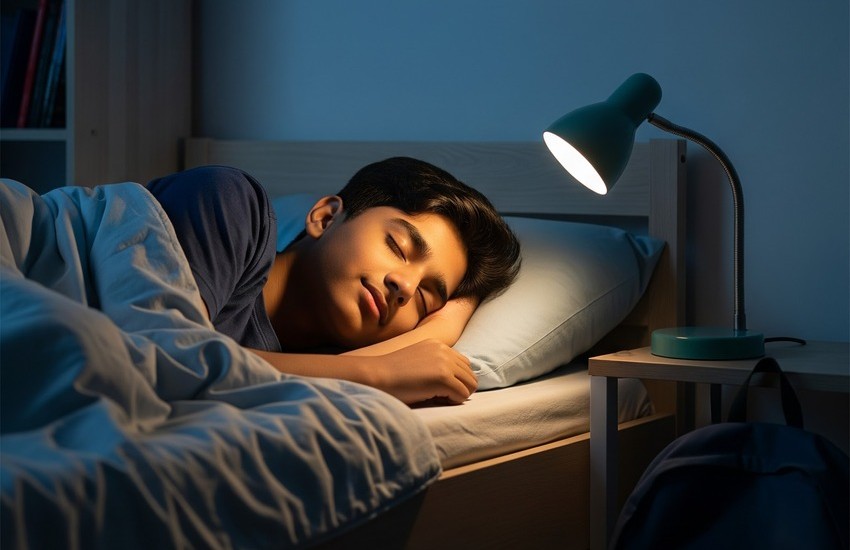
Sleep is often treated as something we can “catch up on later.” But the truth is, sleep is as essential as nutritious food and physical activity for children’s long-term health and well-being.
With academics, sports, extracurricular activities, and screen time competing for their attention, many children push sleep lower on their priority list. This can have serious effects on their health, mood, and learning.
Why Is Sleep So Important?
While a good night’s rest makes children feel refreshed and energetic, the benefits go far beyond that:
- Improved learning and memory – Sleep helps the brain process new information.
- Better focus and problem-solving skills – A well-rested child can recall and apply knowledge effectively.
- Stronger immunity – Good sleep helps the body fight infections.
- Healthy weight management – Lack of sleep can lead to weight gain.
- Improved mood and behavior – Sleep-deprived children are more likely to be irritable or anxious.
- Lower risk of self-harm in teens – Adequate sleep supports emotional stability.
- Injury and accident prevention – Sleep keeps us alert at home, school, and on the road.
- Reduced long-term health risks – Adequate sleep lowers the chances of developing Type 2 diabetes, obesity, heart disease, stroke, and hypertension.
Good sleep habits established in childhood can truly shape a healthier future.
How Can We Help Children Sleep Better?
- Set a bedtime routine and stick to it.
- Maintain a consistent sleep and wake-up time, even on weekends.
- Switch off gadgets and screens at least 30 minutes before bedtime.
- Keep the bedroom dark, quiet, and comfortable.
- Be a role model – children mirror adult behavior, so prioritize your own sleep too.
How Much Sleep Do Children Really Need?
According to the American Academy of Sleep Medicine (endorsed by the American Academy of Pediatrics, Sleep Research Society, and American Association of Sleep Technologists), here are the recommended hours of sleep per 24 hours:
|
Age Group |
Recommended Sleep Duration |
|
4–12 months |
12–16 hours (including naps) |
|
1–2 years |
11–14 hours (including naps) |
|
3–5 years |
10–13 hours (including naps) |
|
6–12 years |
9–12 hours |
|
13–18 years |
8–10 hours |
Final Word
Sleep is not a luxury—it’s a biological necessity. By making small changes in routine and helping children build healthy sleep habits early, we can ensure they grow into healthy, resilient, and successful adults.
